Find DOT Certified Propane Cylinder for Heating, Cooking, and Industrial Use
Source 30 DOT Certified Propane Cylinder options from verified Chinese manufacturers. Buyers can compare cylinder capacities, valve types, and delivery times for industrial and commercial applications.
Key considerations
Products List


Propane Cylinder with Safety Valve DOT Approved OEM Manufacturer Exporter
$15.00 - $20.00
MOQ: 200 Pieces


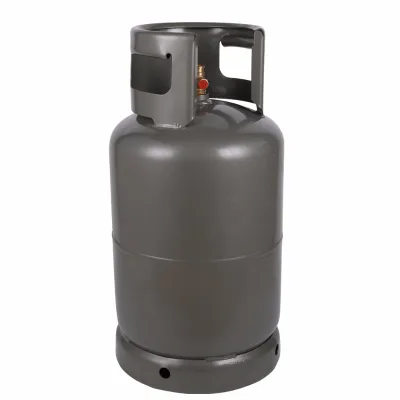


High Quality Durable Composite LPG Tank Corrosion Free Propane Cylinder
$55.61 - $63.41
MOQ: 16 Pieces


Comprehensive Sourcing Guide
Strategic Sourcing Guide for DOT Certified Propane Cylinders
Procuring industrial-grade gas storage solutions requires a rigorous approach to verifying compliance, technical specifications, and supplier reliability. For buyers searching for a DOT Certified Propane Cylinder, the primary objective is to secure equipment that meets stringent safety standards while aligning with specific operational needs. The market offers a diverse range of options, from small portable units to large industrial tanks, each governed by distinct regulatory frameworks and manufacturing methods. This guide synthesizes available product data and industry standards to provide a structured framework for evaluating potential suppliers and products without relying on unverified claims.
Understanding Technical Specifications and Material Standards
The foundation of a successful procurement strategy lies in a deep understanding of the technical attributes of the cylinder. Propane cylinders are not generic containers; they are engineered to withstand specific pressures and environmental conditions. Based on observed product data, the working pressure for these units typically ranges from 150 bar to 12.5 MPa, with some high-pressure variants reaching up to 20 MPa. It is critical for buyers to verify that the cylinder's rated working pressure matches the intended application, as exceeding these limits can lead to catastrophic failure.
Material composition and manufacturing methods are equally vital. The supplied data indicates that these cylinders are often manufactured using welding techniques, utilizing metal tank materials designed for durability. The wall thickness is a specific metric that can vary; observed specifications include a thickness of 5.7mm for certain models. Buyers must confirm that the wall thickness is consistent with the cylinder's capacity and pressure rating. Furthermore, the standard capacity for these units varies significantly, with common volumes including 35-40L, 20-34L, and larger industrial sizes such as 40L, 47L, 50L, 118L, and even 926L or ISO tank configurations.
The valve system is another critical technical component. The data highlights specific valve types such as CGA350 and BWF-1, which are standard for propane applications. The CGA350 valve, in particular, is a common standard for propane gas cylinders, ensuring a secure and leak-proof connection. When sourcing, buyers should explicitly request the valve type and ensure it matches the regulator and piping systems already in place at their facility. Additionally, the cylinder standard must align with recognized international norms, such as GB, ISO, or DOT, depending on the region of operation.
Compliance and Certification Verification
Compliance with safety standards is non-negotiable when dealing with pressurized gas cylinders. The core keyword "DOT certified" refers to the United States Department of Transportation standards, which govern the design, manufacturing, and testing of cylinders used for transporting hazardous materials. While the provided data lists certifications such as ISO, CE, and ISO 22991, it also explicitly mentions DOT certification. Buyers must ensure that the specific cylinder model they are purchasing holds a valid DOT certification mark, which is typically stamped on the cylinder shoulder.
The certification landscape is complex, and buyers should not assume that a general ISO certification implies DOT compliance. The data notes certifications like ISO 9809-3, which is a European standard for gas cylinder design. While high-quality cylinders often meet multiple standards, the DOT standard is specific to the US market. Buyers must request the certification documents and verify the stamping on the cylinder itself. The presence of a "DOT" stamp, along with the manufacturer's identification number and the date of manufacture, is the primary evidence of compliance.
Other relevant certifications mentioned in the product data include CE and ISO 22991. These indicate adherence to broader international safety and quality management systems. However, for US-based operations or shipments involving US ports, the DOT certification is the governing standard. Buyers should also check for the "New" condition status of the cylinders, as used or refurbished cylinders may have different certification requirements and inspection histories. The data also references "Industrial Grade" as the grade standard, which implies the material purity and construction quality are suitable for general industrial use rather than specialized medical or food-grade applications.
Cost Drivers and Pricing Dynamics
The pricing of propane cylinders is influenced by a multitude of factors, including material costs, manufacturing complexity, certification requirements, and logistics. The observed price range in the market spans from $2.60 to $210.00 USD. This wide variance reflects the difference between small, single-use cylinders and large, high-capacity industrial tanks. A cylinder priced at the lower end of the spectrum is likely a smaller capacity unit, such as a 20-34L model, while the higher end likely corresponds to larger capacities like the 118L or 926L units, or specialized high-pressure variants.
Volume is a significant cost driver. The Minimum Order Quantity (MOQ) observed ranges from 1 to 50,000 units, with a specific data point indicating an MOQ of 20 cylinders for certain listings and another at 10 cylinders. Buyers purchasing in bulk can often negotiate better unit prices, but they must be aware of the storage and handling costs associated with large orders. The delivery time, observed between 7 to 15 days and 15 to 30 days, also impacts the total cost of ownership. Longer lead times may require buyers to maintain higher safety stock, tying up capital and warehouse space.
Shipping methods further influence the final cost. The data indicates that cylinders are typically shipped by sea, though some options allow for air freight. Sea freight is generally more cost-effective for large volumes but involves longer transit times. Air freight, while faster, incurs significantly higher costs and may be restricted by the hazardous nature of the goods. Buyers should calculate the total landed cost, including freight, insurance, and customs duties, rather than focusing solely on the unit price. The "Industrial Pure Air" and "Propane Gas" keywords suggest that the product category includes both empty cylinders and filled units, which have vastly different pricing structures due to the cost of the gas itself.
Typical Applications and Operational Use Cases
Propane cylinders serve a wide array of applications, from residential heating to heavy industrial processes. The data highlights "Propane Gas" as a key keyword, indicating the primary use case is for fuel. The cylinders are designed to store and transport propane, which is a liquefied petroleum gas (LPG). The "Colorless" attribute of the gas and the "Non-Flammable Gas" classification in some data points (likely referring to the empty cylinder state or specific safety classifications) require careful interpretation. Propane is inherently flammable, so the "Non-Flammable" attribute in the data likely refers to the cylinder material or a specific safety classification for the empty vessel, rather than the gas content.
Common applications include outdoor heating, cooking, and powering generators. The data mentions accessories such as burners, stoves, and LPG lamps, which are direct indicators of residential and commercial culinary or heating uses. In an industrial context, these cylinders are used for welding, cutting, and as fuel for forklifts or other machinery. The "High Purity Material" classification suggests that some cylinders are intended for applications requiring high-grade gas, such as laboratory settings or specialized manufacturing processes.
The "Tank Container" type and "ISO Tank" specifications point to large-scale logistics and storage applications. These are used in industrial parks, ports, and large-scale distribution centers where bulk storage and transfer are required. The "Working Pressure" of 150 bar and the "High pressure gas cylinder" designation confirm that these units are suitable for demanding environments where consistent gas flow and pressure are critical. Buyers should match the cylinder capacity and pressure rating to their specific operational needs to ensure safety and efficiency.
Supplier Evaluation and Quality Control
Evaluating suppliers requires a thorough review of their manufacturing capabilities, quality control processes, and compliance history. The data indicates that the product origin is China, a major hub for cylinder manufacturing. Buyers should verify the supplier's manufacturing method, specifically whether they use welding gas cylinders or other techniques, and ensure that the process is consistent with the required standards. The "Condition: New" attribute is a baseline requirement, but buyers should also inspect the "Guard & Base" specifications to ensure the cylinders are protected during transport and storage.
Quality control should be a priority. Buyers should request test results and inspection reports that verify the wall thickness, pressure rating, and valve integrity. The "ISO9809-3" standard and "ISO" certification suggest a robust quality management system, but buyers should not rely solely on these labels. They should ask for specific test data, such as hydrostatic test results, to confirm the cylinder's ability to withstand the rated pressure. The "Shelf: 1 Year" attribute indicates a recommended shelf life, which is crucial for inventory management and safety.
When evaluating suppliers, buyers should also consider the customization options available. The data lists "Customization: Available" and "Customized" as attributes, suggesting that suppliers can tailor cylinder specifications to meet unique requirements. This could include custom valve types, specific capacity sizes, or unique labeling. However, customization often comes with higher MOQs and longer lead times. Buyers should balance the need for customization against the cost and time implications.
Long-Term Procurement Considerations
Sourcing propane cylinders is not a one-time transaction but a long-term commitment that involves ongoing maintenance, safety inspections, and regulatory compliance. The "Delivery Time" of 7 to 30 days suggests that supply chain reliability is a key factor. Buyers should establish relationships with suppliers who can provide consistent lead times and have the capacity to scale production as demand fluctuates. The "MOQ" of 10 to 20 cylinders provides a baseline for initial orders, but buyers should negotiate terms that allow for flexible reordering without excessive penalties.
Safety and compliance are long-term concerns. Cylinders have a finite lifespan and require periodic re-certification. Buyers should ensure that the supplier provides clear guidance on inspection intervals and re-certification procedures. The "DOT" certification is not permanent; it requires regular testing and re-stamping. Buyers should factor these ongoing costs into their procurement strategy. Additionally, the "Storage Objects: Gas, Liquid, Solid" attribute indicates that the cylinders are versatile, but buyers must ensure that the cylinders are not used for incompatible substances, which could compromise safety.
Finally, buyers should consider the environmental and sustainability aspects of their procurement. The "Industrial Grade" and "High Purity Material" classifications suggest a focus on quality, but buyers should also inquire about the recyclability of the cylinders and the supplier's environmental practices. As regulations become stricter, suppliers who demonstrate a commitment to sustainability may offer a competitive advantage. By focusing on these long-term considerations, buyers can build a resilient and compliant supply chain for their propane cylinder needs.
Comparative Analysis of Cylinder Specifications
To assist buyers in making informed decisions, the following table summarizes key specifications observed in the market data. This comparison highlights the variability in capacity, pressure, and standards, helping buyers identify the most suitable options for their specific requirements.
| Specification Category | Observed Range/Value | Typical Application | Verification Requirement |
|---|---|---|---|
| Capacity | 20-34L, 35-40L, 40L, 47L, 50L, 118L, 926L | Small portable units to Industrial Tanks | Match capacity to usage volume |
| Working Pressure | 12.5 MPa, 15 MPa, 20 MPa, 150 bar | High-pressure industrial applications | Verify pressure rating matches regulator |
| Valve Type | CGA350, BWF-1 | Propane fuel systems | Ensure compatibility with existing fittings |
| Wall Thickness | 5.7mm (observed) | Structural integrity | Request specific thickness data per model |
| Certification | DOT, ISO, CE, ISO 9809-3, ISO 22991 | Regulatory compliance | Confirm DOT stamp for US operations |
| MOQ | 1, 10, 20, up to 50,000 | Bulk vs. Single unit purchase | Negotiate based on order volume |
| Delivery Time | 7-15 Days, 15-30 Days | Supply chain planning | Confirm lead time with supplier |
| Shipping Method | By Sea, By Air | Logistics and cost optimization | Calculate total landed cost |
This table serves as a reference point for buyers to cross-reference their specific needs against the available market data. By carefully evaluating these parameters, buyers can ensure they select cylinders that are safe, compliant, and cost-effective for their operations.
FAQs
What certifications do dot certified propane cylinders hold?
These cylinders hold DOT, ISO, and CE certifications. Some models also meet ISO 22991 and ISO9809-3 standards. Buyers must verify the specific DOT stamp on the cylinder shoulder to ensure compliance for US transport.
Which valve types are standard for these propane cylinders?
Standard valves include CGA350 and BWF-1 types. The CGA350 is common for propane applications to ensure secure connections. Buyers should confirm the valve type matches their existing regulator and piping systems before ordering.
How long is the delivery time for these cylinders?
Delivery times typically range from 7 to 15 days or 15 to 30 days depending on the order. Lead times vary based on the supplier's location in China and the specific shipping method selected for the bulk order.
Can I customize the capacity of these gas cylinders?
Yes, customization is available for various capacities like 35-40L or 118L. Suppliers offer options ranging from small portable units to large ISO tanks. Buyers should note that customization may affect the minimum order quantity requirements.
What is the minimum order quantity for these cylinders?
The minimum order quantity ranges from 10 to 20 cylinders for most listings. Some suppliers may accept orders as low as 1 unit, while bulk purchases can go up to 50,000 units. Buyers should check specific supplier terms.
Which shipping methods are available for these gas tanks?
Cylinders are primarily shipped by sea, though air freight is available for some options. Sea freight is cost-effective for large volumes, while air freight offers faster transit but at a higher cost due to hazardous material regulations.